.png)
Social Skill Spotlight: Sharing Ideas
- Monica Reeves (B.Nurs, PostGrad Autism, M.Autism - In Progress)

- Feb 26
- 2 min read
Updated: Mar 17

Article by Monica Reeves (B.Nurs, GradCert Autism) - Autism & Continence Specialist, Founder of Brightlives
Sharing ideas is a big part of being in a group. It might look like suggesting a game, offering a solution, adding to a conversation, or building on what someone else has said. For many neurodivergent children, sharing ideas can feel exciting at times, and really hard at others.
Why Sharing Ideas Can Be Tricky
Sharing ideas asks children to put their thoughts out into the world. That can feel risky. Some children worry about saying the “wrong” thing. Others need more time to organise their thoughts or find the words they want to use. Some children have had experiences where their ideas were ignored or misunderstood, which can make them hesitant to speak up again.
On the other hand, some children may have lots of ideas and find it hard to pause, take turns, or notice when others want to contribute. Neither of these experiences is wrong — they simply reflect different communication styles and support needs.
How We Support Idea Sharing in Our Groups
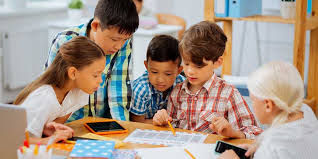
In our Social Skills Groups, we work hard to create a space where all ideas are welcome, and where children don’t feel pressured to contribute in one “right” way. We explicitly teach that sharing ideas can look different for different people. Children are supported to share ideas verbally, through the chat, with visuals, or by choosing from options. The focus is on participation, not performance.
We help children practice:
noticing when it’s their turn to share
expressing an idea in a clear and respectful way
listening to others’ ideas without interrupting
adding to or building on what someone else has shared
We also slow things down when needed, giving children time to think and process before responding.
Making Group Spaces Feel Safe
Because our groups are small, four children with two professionals, there’s time to notice who might be holding back and who might need help making space for others. We gently support turn-taking, model language, and check in with children who may need encouragement or reassurance.
We also talk openly about the idea that everyone’s ideas are different, and that difference is what makes group activities more interesting. Children are supported to see idea-sharing as something collaborative, rather than competitive.
Why Sharing Ideas Matters
When children feel safe to share their ideas, we often see an increase in confidence and engagement. They begin to trust that their thoughts matter and that they have something valuable to contribute.

Over time, this can support:
increased participation in group activities
stronger back-and-forth communication
improved peer relationships
greater confidence in classroom and social settings
These skills extend well beyond the group and into everyday life, at school, at home, and in other social environments.
Noticing and Celebrating Progress
Progress with sharing ideas doesn’t always look loud or obvious. Sometimes it’s a child typing one word into the chat, nodding in agreement with a peer, or staying present while others are talking. We notice these moments and treat them as meaningful steps forward. Sharing ideas is about more than talking, it’s about feeling safe enough to be part of a group. And when children experience that safety, real connection can begin to grow.


Comments